VIETNAM

Foreign Direct Investment in Vietnam

A new national mandate

On June 8, 2026, Vietnam’s Politburo issued Resolution No. 10-NQ/TW, a new foreign-investment framework shifting the focus from the amount of foreign capital to its quality and integration with the domestic economy.

Key targets for 2026-2030:

  • US$200-300 billion in newly registered investment, US$150-200 billion actually paid in, 75% of it coming from developed economies;
  • A 30% rise in the number of Fortune 500 companies investing in Vietnam, at least 3 world-leading technology companies opening headquarters or research centers in the country
  • Locally-made content reaching 45-50% in key industries, and roughly 10,000 domestic companies (500-1,000 of them top-tier suppliers) built into foreign investors’ supply chains.

By 2045, the foreign-invested sector should reach about 30% of GDP, up from around 20% today.

Strong, resilient inflows

Vietnam’s growth story keeps compounding

on July 1, 2026, The World Bank recently classified Vietnam into the upper-middle-income group after its Gross National Income (GNI) per capita rose from $4,490 in 2024 to $4,970 in 2025– a milestone originally targeted for 2030. Foreign investment remains a core driver of this. As of December 31, 2025, cumulative registered foreign investment reached roughly US$521 billion across about 43,000 active projects (more than US$300 billion of that has actually been paid in and put to work) – up from US$502.8 billion across 42,002 projects at the end of 2024.

In full-year 2025

Total registered foreign investment reached US$38.42 billion (up 0.5% from the year before), including US$17.32 billion in brand-new investment commitments and US$7.03 billion in share purchases and capital top-ups (up 54.8%, a sign that investors already in Vietnam are deepening their bets rather than only new investors arriving). Money actually disbursed hit a record US$27.62 billion (up 9%, the best year of the 2021-2025 period). Manufacturing took 82.8% of that disbursed money; Singapore was the largest source of new investment (27.9% of the total), followed by China, Hong Kong, Japan, and Sweden.

Momentum has been even stronger in 2026

Total registered foreign investment for the first half of the year reached US$34.65 billion by the end of June, up 61% year-on-year – new project registrations alone rose 87.2% in capital to US$17.39 billion, while capital contributions and share purchases jumped 89.5% to US$6.22 billion. Disbursement kept pace: US$13.03 billion was actually paid in during the first half, up 11.2% year-on-year and the strongest six-month total in the past five years. Manufacturing continued to dominate, taking 82.6% of disbursed capital and 61.9% of new registrations, with Singapore (US$7.31 billion, 42.1% of new capital) and South Korea (31.4%) the leading sources.

Pivoting toward high-value sectors

Foreign-invested companies drove 77.3% of Vietnam’s 2025 exports (US$367.1 billion, up 26.1% from the year before, out of total goods export turnover of US$475.04 billion, up 17.0%).

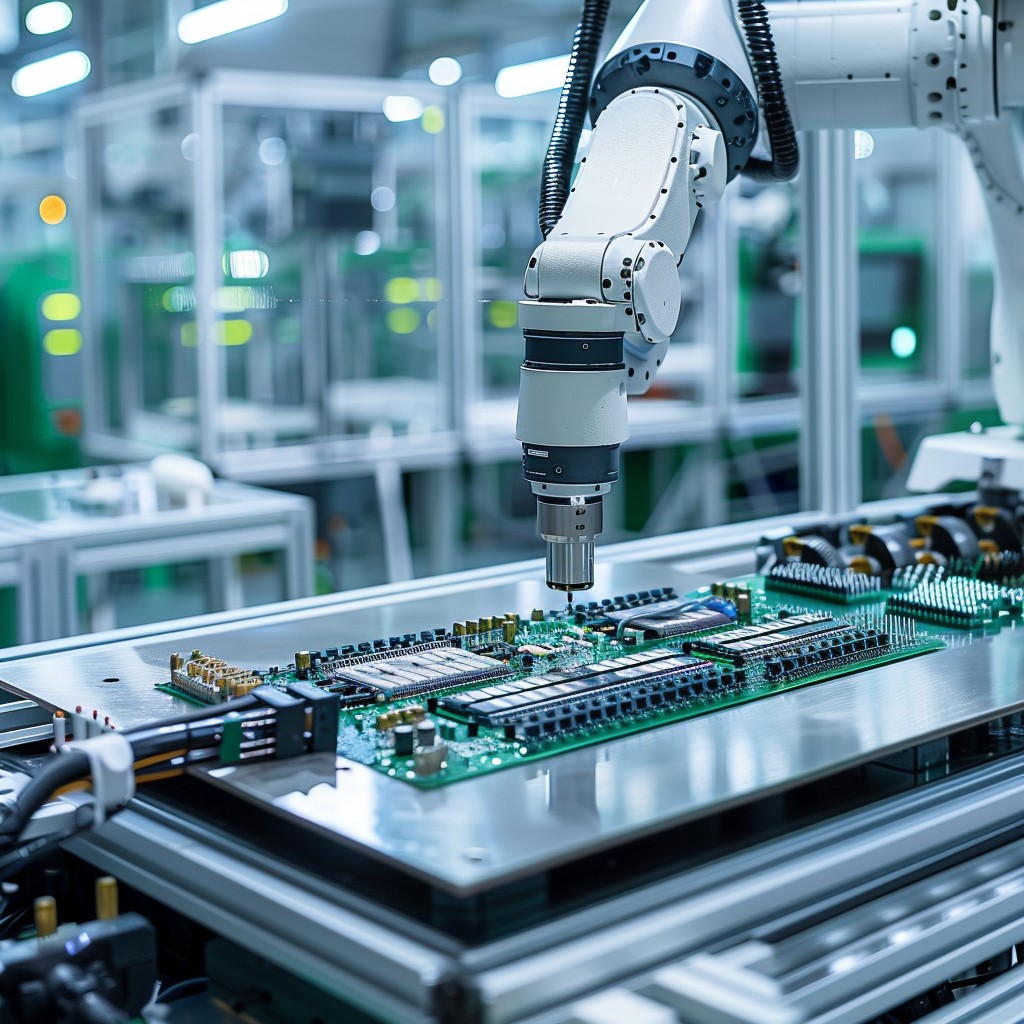
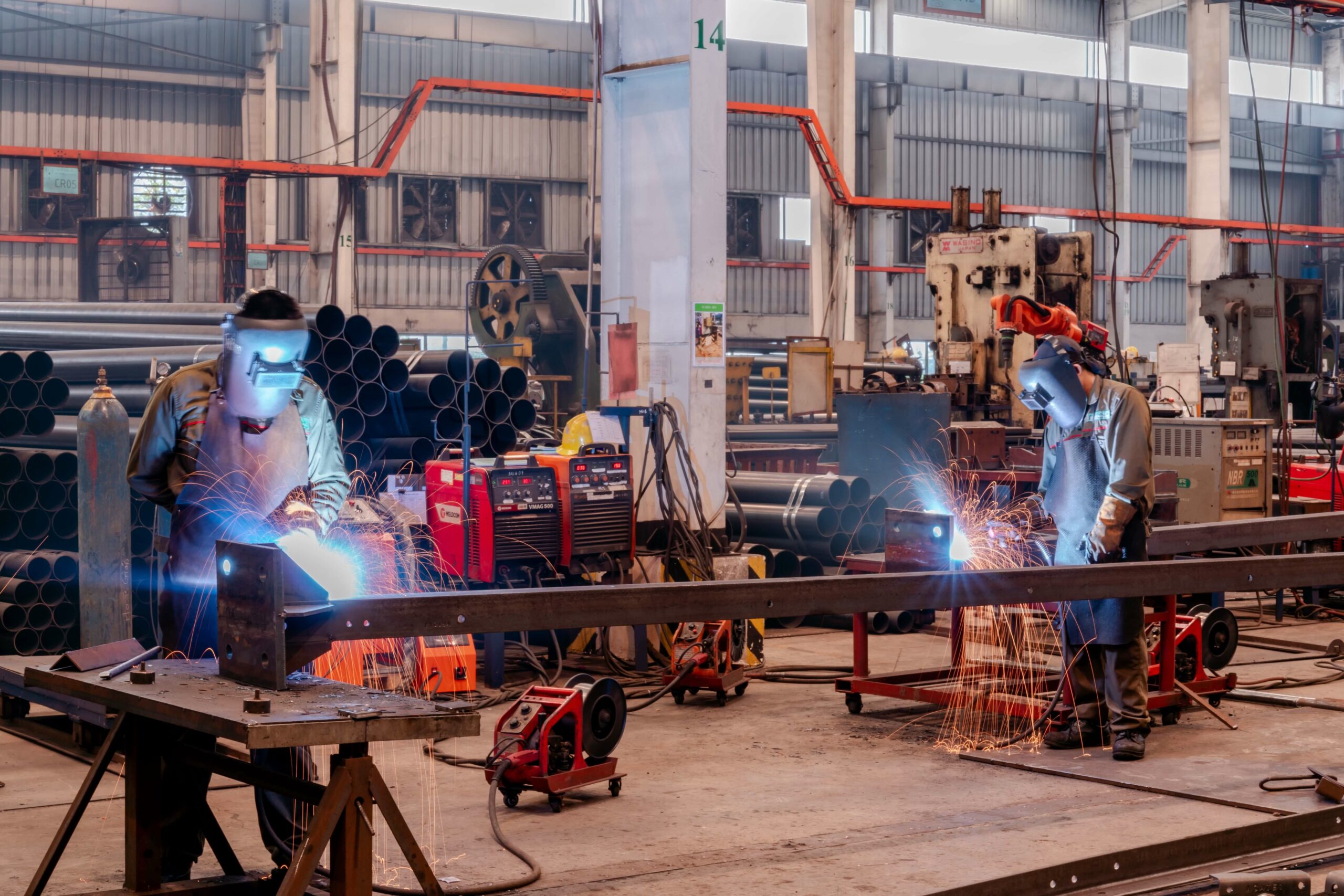
Investment is increasingly concentrated in high-value and technology-intensive sectors. Manufacturing and processing continue to dominate FDI inflows, typically accounting for over 55% of total capital in recent years (e.g., 56.5% in 2025 and 65% in the first five months of 2026). Within this sector, electronics, computers, and optical products – including semiconductors and related supply chains – represent a significant and growing share, driven by major projects from Samsung, Intel, Amkor, and others.

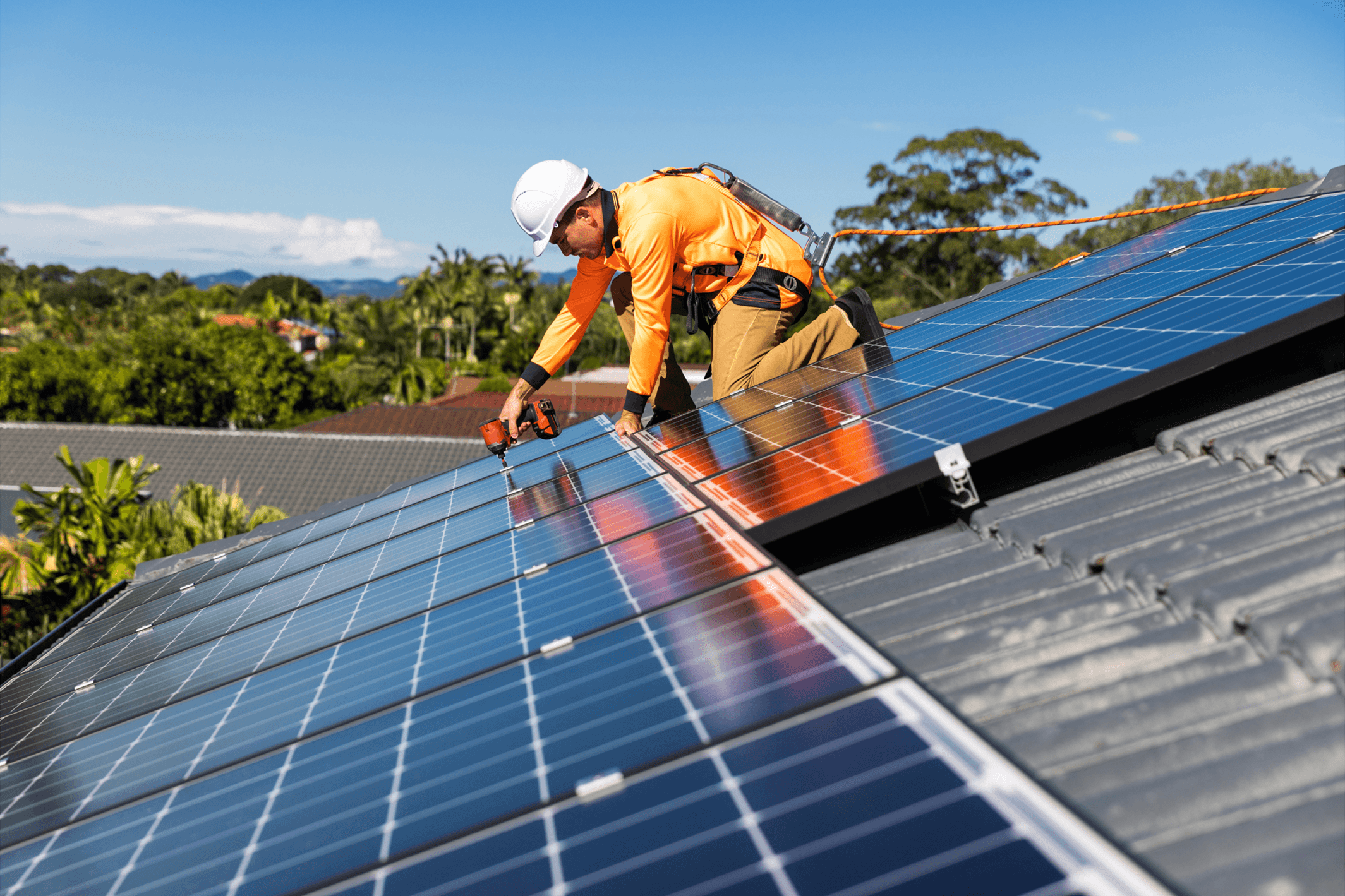
Renewable energy and green sectors, including electricity generation, energy storage, and related infrastructure, have also gained strong traction, frequently ranking among the top three sectors for new capital. Supporting areas such as industrial real estate for high-tech factories and digital services are also seeing rising investment as Vietnam moves up the value chain.

Capital deployment opportunities

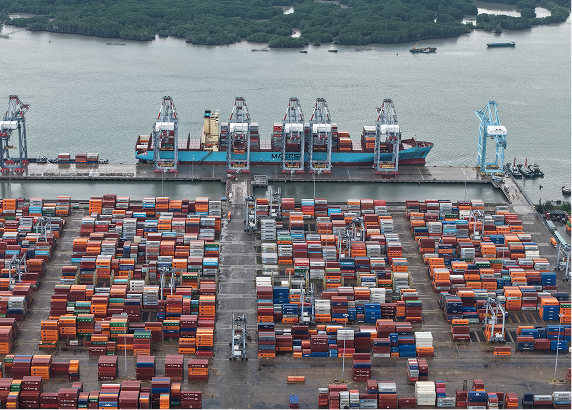
Infrastructure: Vietnam’s own master plan puts 2026-2030 investment needs at 8.22 million billion VND (roughly US$312 billion) – power generation and the electricity grid (US$136.3 billion under the revised Power Development Plan VIII, with generation around US$118.2 billion and transmission around US$18.1 billion), the North-South high-speed railway (US$67 billion), expressways (~US$30 billion for additions and upgrades), city metro systems (tens of billions USD combined as part of urban transport plans), airports (~US$22 billion overall sector), seaports (~US$13.3 billion), and data centers (multiple billions USD with strong momentum from AI-driven projects). The government has flagged expressways, airports, seaports, and data centers as most open to private money; power, rail, and metro systems remain mostly state-funded.


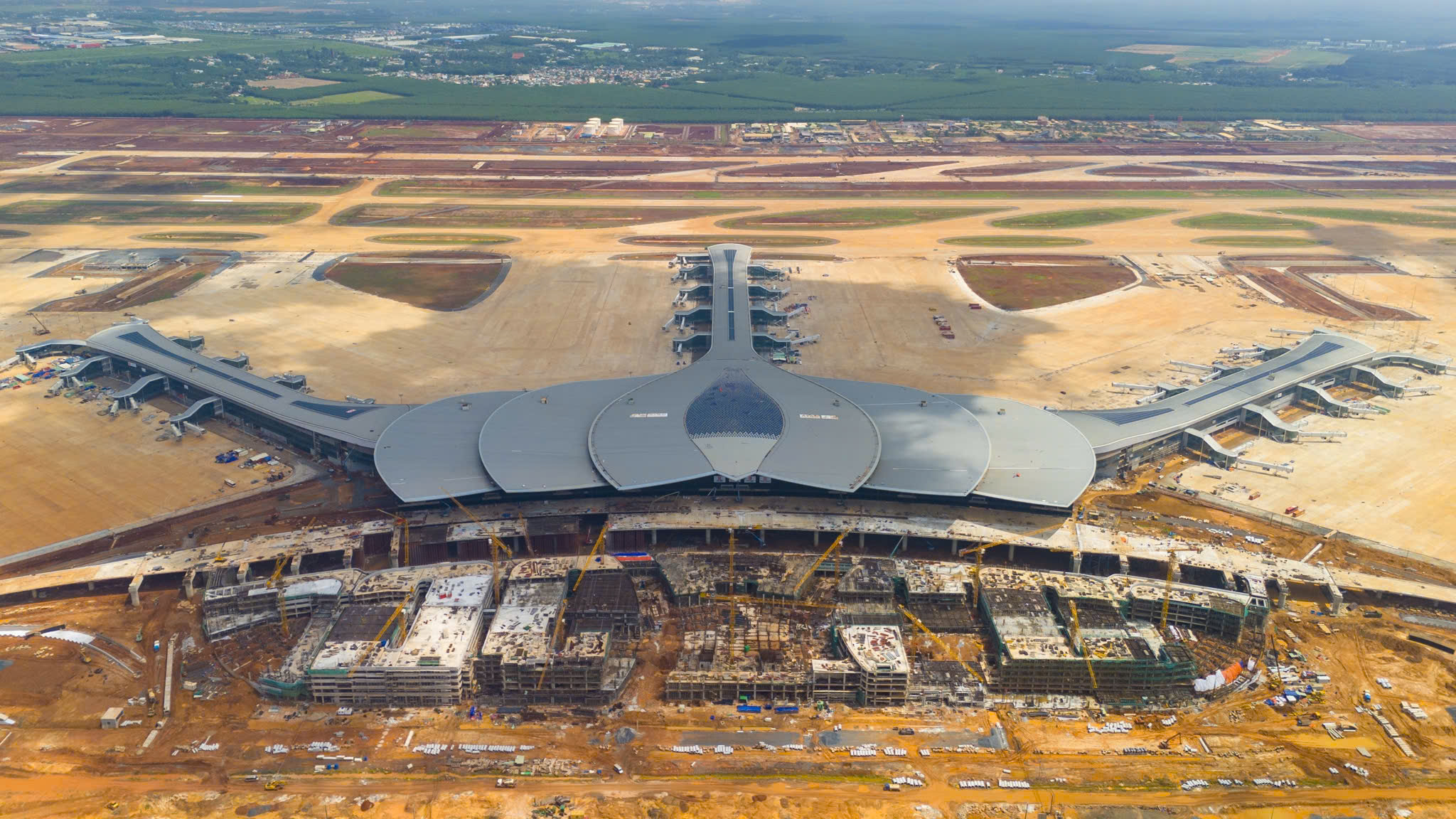
Long Thanh International Airport

Long Thanh International Airport, Vietnam’s flagship aviation project near Ho Chi Minh City, illustrates the scale of ambition: total investment across all phases is expected to reach US$16 billion, taking the airport from its initial Phase 1 (with a capacity of 25-million-passenger and 1.2 million tons of cargo per year) to a full build-out capacity of 100 million passengers and 5 million tons of cargo per year by the mid-2030s to 2045.

Climate transition: Vietnam has committed to achieving net-zero greenhouse gas emissions by 2050, announced at COP26 and formalized in the National Climate Change Strategy. This is supported by the US$15.5 billion Just Energy Transition Partnership (JETP) with international partners and the country’s updated Nationally Determined Contribution (NDC). Under the revised Power Development Plan VIII, Vietnam targets substantial growth in renewables. Key opportunities include solar and wind power, reducing industrial emissions in steel, cement, and textiles, clean water and sanitation, the circular economy and waste management, sustainable agriculture and forestry, and green buildings together with electric-vehicle infrastructure. Additional focus areas are green hydrogen, carbon markets, and just transition measures for affected communities.

Data centers: Foreign and domestic investment is rapidly expanding Vietnam’s digital infrastructure, fueled by demand for AI and hyperscale computing. Key disclosed projects include a US$2-2.1 billion, 200MW AI campus in Ho Chi Minh City (Kinh Bac City Holding, AIC, and VietinBank partners) capable of running up to 100,000 GPUs; a proposed US$2 billion hyperscale system by a G42, FPT, VinaCapital, and Viet Thai consortium; Saigon Asset Management’s US$1.5 billion, 150MW campus with VSIP in Binh Duong; Evolution Data Centres and Sembcorp’s StarMason joint venture projects (~US$500 million and US$480 million respectively); and CMC Corporation’s US$250 million first phase of a hyperscale campus (potential to scale toward US$1 billion with Samsung C&T).

Together with other initiatives such as Viettel IDC’s Tan Phu Trung facility, ST Telemedia’s joint venture with VNG, and government national data centers, announced commitments already total several billion USD, with additional projects in development. These efforts are supported by policy incentives positioning Vietnam as an emerging regional digital infrastructure hub.

Global integration

Investors from Singapore, China, South Korea, Japan, and Taiwan together account for about 70% of Vietnam’s foreign investment and trade. Samsung – Vietnam’s largest single foreign investor, with cumulative investment of US$24 billion as of end-2025 – and Apple suppliers like Foxconn remain deeply embedded in the economy. Vietnam’s network of 18 free trade agreements covers 87% of world GDP, along with 85% of Vietnam’s imports and 70% of its exports.

New rail and road links with China reinforce this further: the Lao Cai rail corridor (US$8 billion) is expected to significantly expand cross-border freight capacity, with the surrounding province targeting US$9-10 billion in import-export turnover by 2030, up from US$1 billion today; and the Lang Son road corridor already handled US$85.2 billion in trade in 2025 alone, with the province targeting roughly US$110 billion in total turnover by 2030 as its Smart Border Gate project raises customs clearance capacity four- to five-fold.

Challenges to sustained growth

Despite its success, Vietnam faces challenges that could impact its FDI trajectory. Trade frictions, such as evolving U.S. policies, pose risks. Infrastructure bottlenecks, including port congestion and power shortages, require urgent attention. Additionally, with a population exceeding 100 million, skills gaps must be addressed to meet the demands of emerging industries like AI and robotics. Upskilling the workforce and improving bureaucratic agility will be critical to sustaining momentum.

A path to prosperity

Vietnam faces real headwinds – uncertainty over US trade policy, infrastructure bottlenecks, and a skills gap the government’s new investment resolution directly targets (aiming for 80% of workers in foreign-invested projects to be properly trained). But having already reached upper-middle-income status ahead of schedule, and with a new national policy now prioritizing the quality of foreign capital over its sheer volume, Vietnam’s pitch to investors has shifted: no longer a low-cost alternative to China, but a strategic, increasingly selective hub for long-term, high-value investment in East Asia.

Vietnam’s vision

Read more